The Evolution of Chocolate: From Ancient Mayans to Modern Confections
Jan 20, 2026
•
1 min read
Today, we're diving deep into the delectable world of cocoa goodness. We all know chocolate is pretty much the best thing ever, but have you ever wondered about its fascinating history? Well, grab a cozy seat and a cup of hot cocoa because we're about to embark on a tasty journey through time. From the ancient Mayans to the modern confections we devour today, we'll explore the evolution of chocolate and discover how this heavenly treat has come to sweeten our lives.
Get ready to be amazed, enlightened, and maybe even a little hungry! So, put on your chocolate-loving hat and let's get started!
Mesoamerican Usage
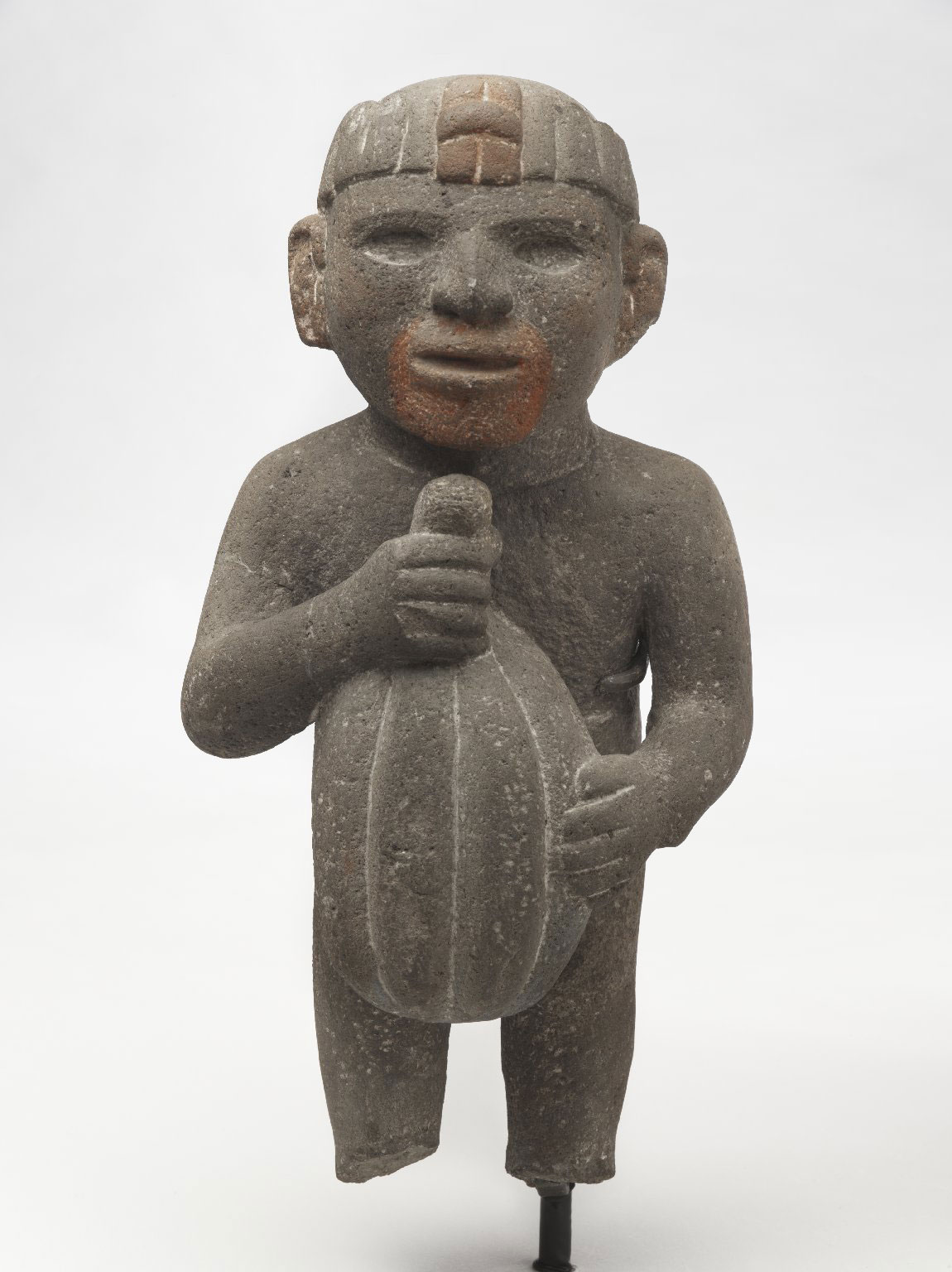
An Aztec carrying a cacao pod
Chocolate has been enjoyed as a drink for thousands of years, and its roots can be traced back to ancient Mesoamerican civilizations. The Olmec people, who lived in present-day Mexico, were preparing chocolate as early as 1750 BC. In another Mesoamerican region called Chiapas, evidence shows that cocoa beverages were being consumed as early as 1900 BC. But back then, it wasn't just a delicious drink – the white pulp around the cocoa beans was actually used to make an alcoholic beverage. Talk about a different kind of happy hour!
Moving forward to around 400 AD, the Maya civilization was sipping on chocolate as well. Archaeological finds in a Maya tomb revealed vessels with residue of a chocolate drink, suggesting that the Maya enjoyed this treat on a regular basis. In fact, chocolate held a significant place in Maya society, both for everyday consumption and for ceremonial purposes. They even grew cacao trees in their backyards, using the cocoa seeds to make a frothy and slightly bitter beverage.
By the 15th century, the Aztecs had come into power in Mesoamerica, and guess what? They were big fans of chocolate too. They believed that Quetzalcoatl, one of their important gods, had shared chocolate with humans and associated it with him. They even compared the extraction of cocoa from its pod to the removal of a human heart in sacrifice. Talk about creating divine connections! The Aztecs enjoyed their chocolate cold and added various ingredients like chili pepper, vanilla, and honey to make it even more flavorful.
Growing cocoa in the Aztec's mountainous homeland was a challenge, so chocolate became a luxury import in their empire. They even imposed taxes where cocoa seeds were used as currency. For example, you could exchange 100 cocoa beans for a turkey or three beans for a fresh avocado. The Aztecs also had a more macabre association with chocolate — they linked it to human sacrifice and believed that drinking chocolate was akin to consuming sacrificial human blood.
In 1528, Gonzalo Fernández de Oviedo y Valdés, a Spanish chronicler, shared his account of a chocolate drink he had seen in Nicaragua. He described how achiote was added to make the drink turn red, resembling blood. To his horror, some of the red foam would remain on the lips, giving the drink an eerie appearance.
Outside Mesoamerica
After the discovery of the Americas, chocolate soon fashionable to drink in Europe
Until the 16th century, chocolate was a complete mystery to Europeans. It wasn't until Christopher Columbus encountered the cocoa bean during his fourth mission to the Americas in 1502 that the chocolate story truly began. Columbus and his crew stumbled upon cocoa beans when they stole a native canoe packed with goods for trade. However, it was the Spanish conquistador Hernán Cortés who may have been the first European to taste the frothy drink made from cocoa beans. Montezuma, the Aztec emperor, considered it a treat and would savor it after dinner.
One Spanish Jesuit missionary named José de Acosta, who lived in Peru and Mexico during the 16th century, observed cocoa's growing influence on the Spaniards. He described how the fruit was highly esteemed among the Indians and Spaniards in Mexico. In fact, cocoa even served as a currency. With a certain number of cocoas, one could buy different things without any contradiction. Acosta mentioned that the Indians cherished a concoction they called "chocolate," which was made from cocoa. Despite its foam and bubbling appearance, it was a much-loved beverage, especially among Spanish women born in those lands.
The introduction of chocolate to Europe came through Spanish friars who brought it to the Spanish court after the conquest of the Aztecs. It quickly became a favorite at court, and the Spanish added sugar and honey to counteract the natural bitterness. Vanilla, another American introduction, was also popular. However, sometimes spices were used to enhance the flavor, which often caused digestive issues among the Europeans.
By 1602, chocolate had made its way from Spain to Austria, and by 1662, Pope Alexander VII declared that consuming chocolate drinks did not break religious fasts. Within a hundred years, chocolate had firmly established itself throughout Europe. Its popularity brought about the expansion of cocoa plantations and the rise of a thriving slave market. Due to the laborious and slow processing of cocoa beans, poor wage laborers and African slaves became involved in cocoa production. The use of wind-powered and horse-drawn mills helped speed up production while heating the working areas in the mills further assisted in extraction.
Chocolate in the United States
In the United States, the Baker Chocolate Company holds the title for the oldest chocolate producer. Founded in 1765 by Dr. James Baker and John Hannon in Boston, the company utilized cocoa beans from the West Indies to start its chocolate empire. Today, Baker's Chocolate is still going strong.
The journey of chocolate from the ancient Mayans to modern con Chocolate, a beloved treat enjoyed by millions around the world, has a fascinating history that spans centuries and continents. The story begins with Christopher Columbus, who, during his fourth mission to the Americas in 1502, stumbled upon cocoa beans in a stolen canoe. However, it was Hernán Cortés, the Spanish conquistador, who may have been the first European to taste the frothy drink made from these beans. Montezuma, the Aztec emperor, considered it a special indulgence and enjoyed it after his evening meal.
Today, we're diving deep into the delectable world of cocoa goodness. We all know chocolate is pretty much the best thing ever, but have you ever wondered about its fascinating history? Well, grab a cozy seat and a cup of hot cocoa because we're about to embark on a tasty journey through time. From the ancient Mayans to the modern confections we devour today, we'll explore the evolution of chocolate and discover how this heavenly treat has come to sweeten our lives.
Get ready to be amazed, enlightened, and maybe even a little hungry! So, put on your chocolate-loving hat and let's get started!
Mesoamerican Usage
An Aztec carrying a cacao pod
Chocolate has been enjoyed as a drink for thousands of years, and its roots can be traced back to ancient Mesoamerican civilizations. The Olmec people, who lived in present-day Mexico, were preparing chocolate as early as 1750 BC. In another Mesoamerican region called Chiapas, evidence shows that cocoa beverages were being consumed as early as 1900 BC. But back then, it wasn't just a delicious drink – the white pulp around the cocoa beans was actually used to make an alcoholic beverage. Talk about a different kind of happy hour!
Moving forward to around 400 AD, the Maya civilization was sipping on chocolate as well. Archaeological finds in a Maya tomb revealed vessels with residue of a chocolate drink, suggesting that the Maya enjoyed this treat on a regular basis. In fact, chocolate held a significant place in Maya society, both for everyday consumption and for ceremonial purposes. They even grew cacao trees in their backyards, using the cocoa seeds to make a frothy and slightly bitter beverage.
By the 15th century, the Aztecs had come into power in Mesoamerica, and guess what? They were big fans of chocolate too. They believed that Quetzalcoatl, one of their important gods, had shared chocolate with humans and associated it with him. They even compared the extraction of cocoa from its pod to the removal of a human heart in sacrifice. Talk about creating divine connections! The Aztecs enjoyed their chocolate cold and added various ingredients like chili pepper, vanilla, and honey to make it even more flavorful.
Growing cocoa in the Aztec's mountainous homeland was a challenge, so chocolate became a luxury import in their empire. They even imposed taxes where cocoa seeds were used as currency. For example, you could exchange 100 cocoa beans for a turkey or three beans for a fresh avocado. The Aztecs also had a more macabre association with chocolate — they linked it to human sacrifice and believed that drinking chocolate was akin to consuming sacrificial human blood.
In 1528, Gonzalo Fernández de Oviedo y Valdés, a Spanish chronicler, shared his account of a chocolate drink he had seen in Nicaragua. He described how achiote was added to make the drink turn red, resembling blood. To his horror, some of the red foam would remain on the lips, giving the drink an eerie appearance.
Outside Mesoamerica
After the discovery of the Americas, chocolate soon fashionable to drink in Europe
Until the 16th century, chocolate was a complete mystery to Europeans. It wasn't until Christopher Columbus encountered the cocoa bean during his fourth mission to the Americas in 1502 that the chocolate story truly began. Columbus and his crew stumbled upon cocoa beans when they stole a native canoe packed with goods for trade. However, it was the Spanish conquistador Hernán Cortés who may have been the first European to taste the frothy drink made from cocoa beans. Montezuma, the Aztec emperor, considered it a treat and would savor it after dinner.
One Spanish Jesuit missionary named José de Acosta, who lived in Peru and Mexico during the 16th century, observed cocoa's growing influence on the Spaniards. He described how the fruit was highly esteemed among the Indians and Spaniards in Mexico. In fact, cocoa even served as a currency. With a certain number of cocoas, one could buy different things without any contradiction. Acosta mentioned that the Indians cherished a concoction they called "chocolate," which was made from cocoa. Despite its foam and bubbling appearance, it was a much-loved beverage, especially among Spanish women born in those lands.
The introduction of chocolate to Europe came through Spanish friars who brought it to the Spanish court after the conquest of the Aztecs. It quickly became a favorite at court, and the Spanish added sugar and honey to counteract the natural bitterness. Vanilla, another American introduction, was also popular. However, sometimes spices were used to enhance the flavor, which often caused digestive issues among the Europeans.
By 1602, chocolate had made its way from Spain to Austria, and by 1662, Pope Alexander VII declared that consuming chocolate drinks did not break religious fasts. Within a hundred years, chocolate had firmly established itself throughout Europe. Its popularity brought about the expansion of cocoa plantations and the rise of a thriving slave market. Due to the laborious and slow processing of cocoa beans, poor wage laborers and African slaves became involved in cocoa production. The use of wind-powered and horse-drawn mills helped speed up production while heating the working areas in the mills further assisted in extraction.
Chocolate in the United States
In the United States, the Baker Chocolate Company holds the title for the oldest chocolate producer. Founded in 1765 by Dr. James Baker and John Hannon in Boston, the company utilized cocoa beans from the West Indies to start its chocolate empire. Today, Baker's Chocolate is still going strong.
The journey of chocolate from the ancient Mayans to modern con Chocolate, a beloved treat enjoyed by millions around the world, has a fascinating history that spans centuries and continents. The story begins with Christopher Columbus, who, during his fourth mission to the Americas in 1502, stumbled upon cocoa beans in a stolen canoe. However, it was Hernán Cortés, the Spanish conquistador, who may have been the first European to taste the frothy drink made from these beans. Montezuma, the Aztec emperor, considered it a special indulgence and enjoyed it after his evening meal.



.jpeg)
.jpeg)