
Late-Summer Mountain Escape Guide: 4 Colorado Adventures to Squeeze In Before the Aspens Turn

Colorado gets about three weeks in late summer that most visitors drive straight past. School starts back up, the July crowds go home, the afternoon storms keep rolling in on schedule, and the aspens sit there stubbornly green for a little while longer. If you've been searching for what to do in the Colorado mountains in late summer, or you want a Colorado mountain day trip that doesn't start at a trailhead before dawn, this is the stretch to aim for.

The four venues below run from the Front Range foothills down into the San Juan Mountains, and every one of them comes with the GetOut Colorado membership, which is $49.95 a year right now instead of $99 and covers 81+ venues around the state.

Why Late Summer Is the Best Time for a Colorado Mountain Escape

The North American monsoon is still running through late August, which sounds worse than it plays out. Mornings come in clear. Clouds build toward noon, and a thunderstorm usually parks over you somewhere between one and three in the afternoon before moving off toward the plains. Put your outdoor stops early and your indoor stops late, and the weather stops being something you fight.

Crowds fall off a cliff once school starts. An attraction with a forty-minute line on July 12 will take walk-ups on August 26 without blinking. Leaf season doesn't get going until the third week of September, when the aspens above 9,000 feet start turning, so you get the roads to yourself for a stretch. If you want a broader sweep of what's open around the state right now, the roundup of outdoor activities for kids in Colorado this August covers Lakeside Amusement Park, the Pueblo Zoo, and a dozen other places this guide leaves alone.

Elevation does most of the work on temperature. Denver can sit at 88 degrees while Pagosa Springs holds in the mid-70s and drops into the 40s overnight, which is why people who pack for one of those places end up miserable in the other.

A fair number of the cars on I-25 in August belong to people running from heat somewhere else. If summer where you live means Arizona or Las Vegas numbers, or the wet August that settles over Houston and San Antonio, a 70-degree afternoon at 7,000 feet is going to feel like somebody fixed the weather.

What to Pack for a Late-Summer Mountain Day Trip

  • Layers. A t-shirt and a fleece at minimum, because you'll want both in the same afternoon.
  • A rain shell that stuffs down into a daypack.
  • More water than seems reasonable, since altitude dries you out faster than you notice.
  • Sunscreen and a hat, because UV climbs roughly four percent for every 1,000 feet you gain.
  • Closed-toe shoes that can handle gravel and railyard ballast.

1. Colorado Railroad Museum, Golden
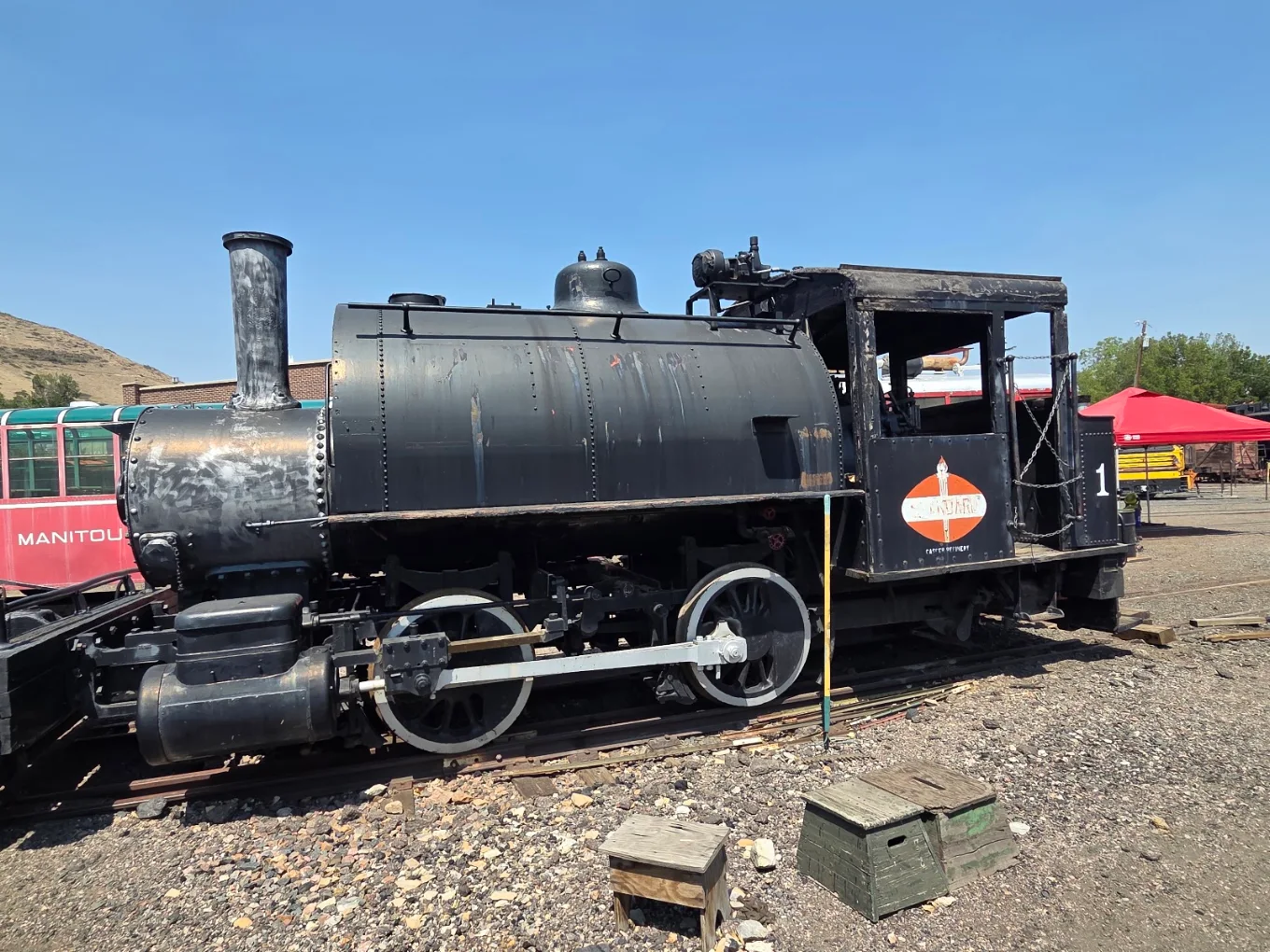
Fifteen acres of railyard sit about twelve miles west of Denver, at the spot where Clear Creek runs between North and South Table Mountain. The collection holds more than 100 locomotives, passenger cars, and cabooses, and the heart of it is the narrow-gauge equipment that once hauled ore over the high passes.

Almost all of it is outdoors, so this belongs on your morning. You can walk the yard, climb into restored cars, watch crews working on restoration inside the roundhouse, and catch the turntable in operation. When the sun gets to be too much there's an HO-scale model railroad indoors and a garden railway laid out in G scale just outside.

Train rides circle a half-mile loop around the edge of the grounds. The summer schedule runs well beyond the usual Saturday-only operation, and Day Out With Thomas takes over the first three weekends of September, which is either a reason to go or a reason to pick a different weekend depending on the age of your kids.

How to Plan Your Visit

The museum is at 17155 W 44th Ave in Golden, open Tuesday through Sunday from 9 a.m. to 5 p.m. and closed Mondays. Show up when they unlock the gate and you'll have the yard mostly to yourself before the heat and the storms arrive. Paths run paved in some places and packed gravel in others, so strollers do fine. Parking is on site and free.

Pair It With

Downtown Golden is five minutes away and sits right on Clear Creek, which handles lunch. Lookout Mountain and Buffalo Bill's grave are a short climb up Lariat Loop, and the view east over Denver from up there earns the switchbacks. With a full day you can keep driving west into Clear Creek Canyon toward Idaho Springs.

2. Museum of Boulder, Boulder
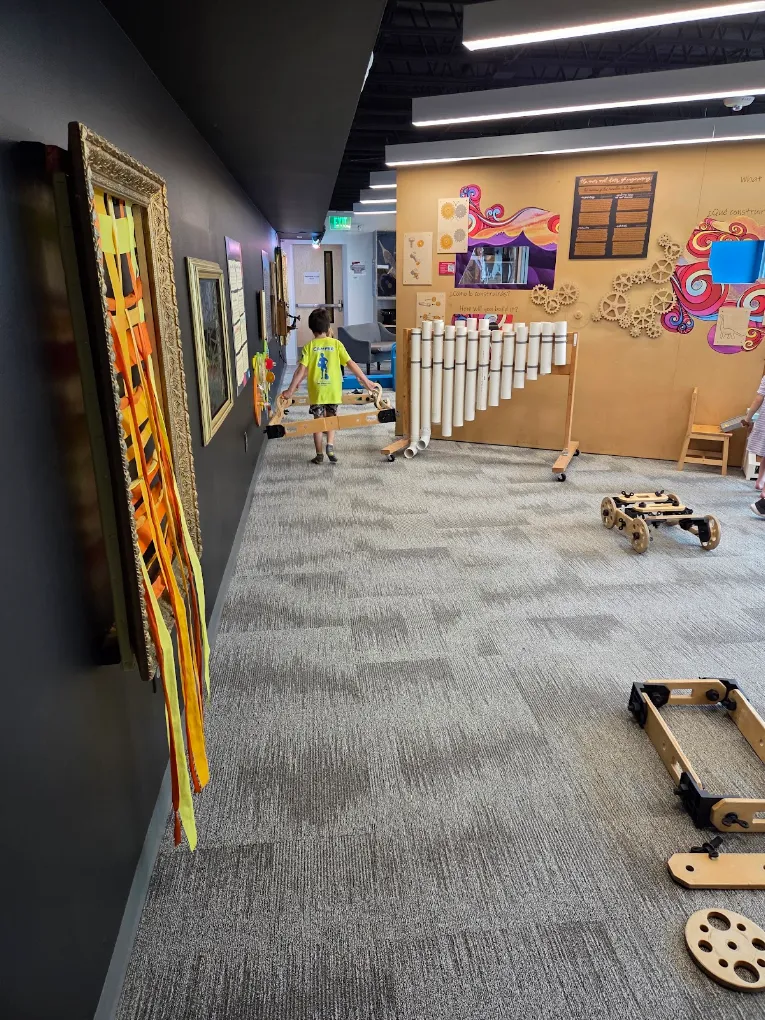
Boulder sits directly under the Flatirons, which makes it the obvious basecamp for a foothills weekend. The Museum of Boulder took over a renovated Masonic Lodge downtown at 2205 Broadway, a few blocks off Pearl Street.

The Boulder Experience Gallery anchors the place, tracing the region from the Arapaho people forward through the strange path that turned a mining supply town into a hub for climbing, environmental science, and software. The Google Garage next to it is a maker space where kids and adults can mess around with robots, laser cutting, VR, music, and color. Playzeum is the children's area, built around unstructured play, which is exactly what you need after two hours in a car seat.

There's also a practical case for putting this on the list. When the sky opens up at 1:30 and your hiking plan falls apart, you need somewhere to be, and two hours in here covers the worst of a storm cell. Anybody who builds their days around weather in Washington or Central Florida already runs this playbook without thinking about it. For a stretch of bad forecasts, there's a longer list of indoor adventures for kids in Colorado worth keeping on your phone.

How to Plan Your Visit

Doors open at 9 a.m. and close at 5 p.m. most days, with Tuesday closed, so check before you commit to the drive. Onsite parking is complimentary when space allows, which counts for something in downtown Boulder. Go up to the rooftop before you leave, because the view of the Flatirons from up there beats anything you'll get from the sidewalk.

Pair It With

Chautauqua Park is ten minutes away and holds the most photographed trailhead in Colorado. Pearl Street takes care of dinner. For sunset, drive south toward Flatirons Vista or climb Flagstaff Road.

3. U.S. Olympic & Paralympic Museum, Colorado Springs
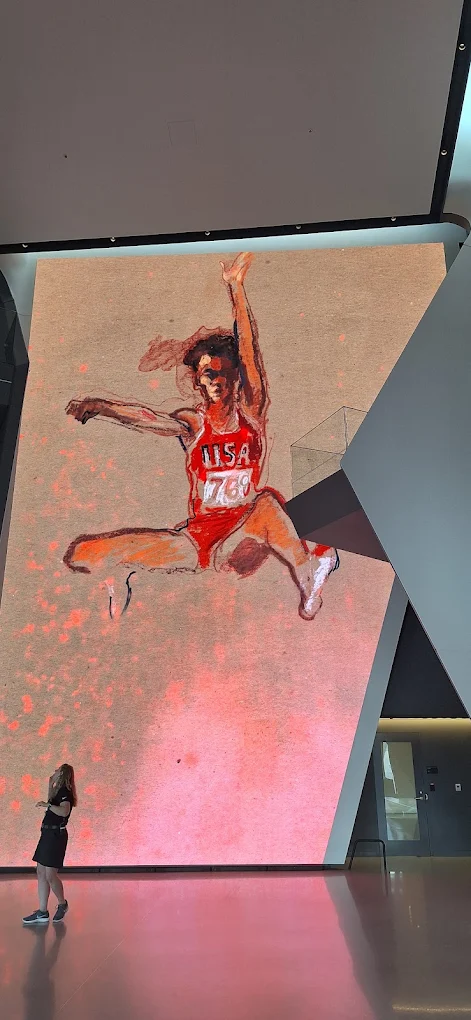
Colorado Springs sits at 6,035 feet under Pikes Peak and has been the center of American Olympic training for decades. The museum here is the only one of its kind in the country, filling 60,000 square feet near the southwest corner of downtown. The other state with this kind of Olympic footprint is Utah, where Salt Lake hosted the Winter Games in 2002 and has been tapped to host them again, so a lot of families end up doing both trips in the same year.

You start at the top. Everyone rides an elevator to the third floor and then spirals down through the galleries on a gently ramped path, so wheelchair users and walking visitors move through the building along the same route. It's been called one of the most accessible museums anywhere, and USA Today named it the best new attraction in the country the year it opened.

The athlete training gallery is where kids stop listening to you. You can run a 30-meter dash against animated Olympians, then try alpine skiing, archery, goalball, skeleton, or sled hockey. The Parade of Nations gallery drops you into a 360-degree opening ceremony. Sensory bags come with noise-canceling headphones and fidget toys, and you can pick one up at the desk.

How to Plan Your Visit

The address is 200 S Sierra Madre St, open daily from 10 a.m. to 5 p.m., with ticket sales stopping an hour before close. Two to three hours is about right. Free parking barely exists down there, so plan on a meter or the paid lot nearby. The Flame Café inside handles lunch if you'd rather stay put.

Pair It With

Garden of the Gods is fifteen minutes northwest and costs nothing. Manitou Springs has the cog railway that climbs to the summit of Pikes Peak. If the afternoon turns hot, North Cheyenne Cañon Park has waterfalls and real shade.

4. Rocky Mountain Wildlife Park, Pagosa Springs
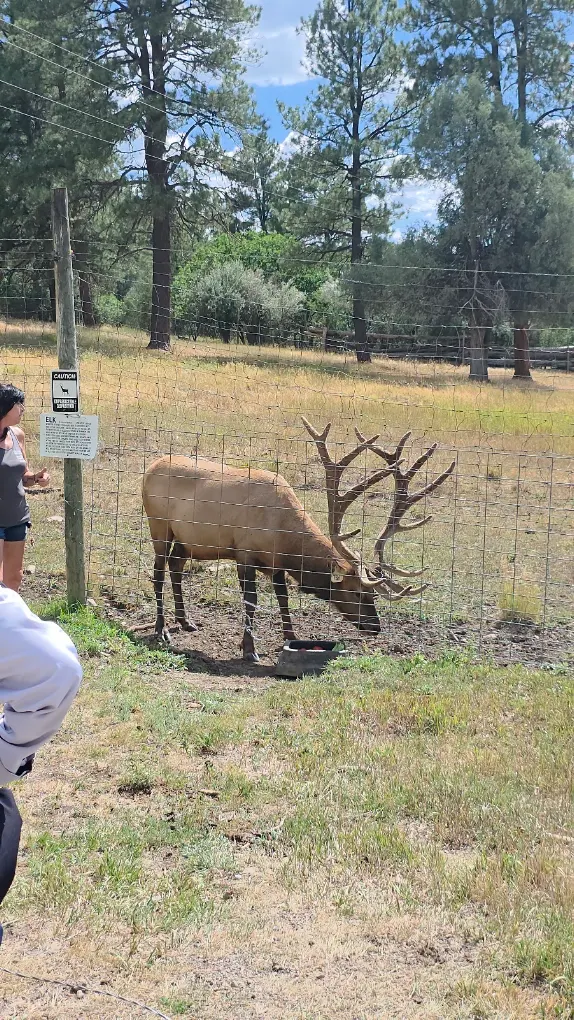
This one asks something of you. Pagosa Springs is a good two hours from Durango and a long haul from the Front Range, tucked into the San Juans below Wolf Creek Pass. If southwest Colorado is already on your route, build a day around it. Plenty of people arrive here on a loop that comes up out of New Mexico and West Texas rather than down from Denver.

The park sits five miles south of town on Highway 84 and has been running since the mid-1980s as a home for native wildlife that can't go back out. Every animal arrived for a reason: orphaned, injured, or raised by somebody who figured out too late that a bear cub makes a terrible pet. Residents include elk, black and grizzly bears, a mountain lion, wolves, coyotes, foxes, bobcats, and porcupines.

The trail runs about a quarter mile on gravel, so most kids manage it without complaint. What you want to plan around is the feeding tour at 3 p.m., when a keeper walks the loop with you, feeds each animal, and explains how it ended up there. Visitors say over and over that the tour is what turns a pleasant walk into an afternoon they remember. Horseback trail rides run in summer with a wrangler leading.

How to Plan Your Visit

Summer hours run daily from 9 a.m. to 5 p.m. through mid-October, with that 3 p.m. feeding tour. Shade along the trail is thin, so hats and water bottles matter more here than almost anywhere else on this list, and reviewers mention it constantly. Wear real shoes, because the path gets muddy after a storm. Budget about 90 minutes if you catch the tour.

Pair It With

Wolf Creek Pass is one of the great drives in the state and puts you deep in aspen country. The hot springs downtown are the obvious way to end a day. Chimney Rock National Monument sits twenty miles west, with ancestral Puebloan great houses along a ridgeline you can see for miles.

How to Build the Whole Trip Around One Membership

GetOut is an annual membership that covers admission at partner venues across Colorado. You buy it once, download the app, browse what's available, and hold up your phone at the front desk. Nobody prints tickets. Nobody comparison shops at midnight the night before a drive. The walkthrough on how to use your GetOut membership runs through the app side if you'd rather see it before you buy.

The Colorado membership runs $49.95 a year, marked down from $99, and covers 81+ venues statewide, with Elitch Gardens available as an add-on. Run the numbers on the four stops in this guide and the membership pays for itself before you finish the second one, which lines up with what members keep writing in reviews about the pass covering its own cost after a visit or two.

It also keeps working long after this particular window closes. Slick City, Boondocks, Main Event, Sky Zone, and the Downtown Aquarium are all in there for the months when the mountain passes get ugly, and so is a family day at a Colorado Rapids match.

Heading somewhere else after this? GetOut runs memberships in markets all over the country, and several of them sit close enough to fold into the same summer. Idaho catches you on the way northwest. Nebraska and Kansas City sit along the eastbound run out of Denver, and there's a last-chance summer checklist for Kansas City if you're timing that stop for the same weeks. Point south instead and you've got Oklahoma or Texas DFW.

Families who split the year between two places often keep a second pass going wherever the grandparents live, whether that's Georgia or Southern California.

Late-Summer Mountain Escape FAQs

What's the best time in late summer to visit the Colorado mountains?

The last two weeks of August through the first week of September. Crowds drop once school starts, temperatures stay mild, and the aspens hold off until mid-to-late September at higher elevations, so you get quiet trails and warm days without leaf-peeper traffic on every mountain road.

Can you do a Colorado mountain day trip from Denver without hiking?

Yes. The Colorado Railroad Museum in Golden and the Museum of Boulder both sit under an hour from downtown Denver, and neither asks anything of you beyond walking on flat ground. Both put you at the base of the foothills with mountain views, which is usually what people actually want when they say they want to go to the mountains.

What should I do in the Colorado mountains when it rains in the afternoon?

Build indoor stops into your afternoon from the start. Monsoon storms tend to hit between one and three and clear within a couple of hours. Museums work, indoor attractions work, and so does wandering a small mountain town under an awning. The Museum of Boulder and the U.S. Olympic & Paralympic Museum will each hold you for two hours or more.

Is a GetOut membership worth it for a short Colorado trip?

It comes down to how many stops you're making. At $49.95 for the year, two or three venue visits cover the cost and everything after that costs you nothing. For a week of driving between towns, the math is easy. For one afternoon, less so.

What's the cheapest way to do family activities in Colorado?

Pair free public land with a membership that picks up the paid attractions. National forest trails, Garden of the Gods, and town parks all cost nothing to walk into. A GetOut membership then covers the museums, wildlife parks, and entertainment venues that would otherwise run you $15 to $30 a head at every stop.

Go Before the Gold Shows Up

The aspens will turn eventually, somebody will post a photo from Kebler Pass, and half the state will drive there the following weekend. Right now the mountains are warm and quiet and mostly empty, which won't hold. Four stops, from a railyard in Golden to a wildlife park in the San Juans, all covered by one membership.

Grab the GetOut Colorado membership and go use it while the leaves are still green.

Colorado gets about three weeks in late summer that most visitors drive straight past. School starts back up, the July crowds go home, the afternoon storms keep rolling in on schedule, and the aspens sit there stubbornly green for a little while longer. If you've been searching for what to do in the Colorado mountains in late summer, or you want a Colorado mountain day trip that doesn't start at a trailhead before dawn, this is the stretch to aim for.

The four venues below run from the Front Range foothills down into the San Juan Mountains, and every one of them comes with the GetOut Colorado membership, which is $49.95 a year right now instead of $99 and covers 81+ venues around the state.

Why Late Summer Is the Best Time for a Colorado Mountain Escape

The North American monsoon is still running through late August, which sounds worse than it plays out. Mornings come in clear. Clouds build toward noon, and a thunderstorm usually parks over you somewhere between one and three in the afternoon before moving off toward the plains. Put your outdoor stops early and your indoor stops late, and the weather stops being something you fight.

Crowds fall off a cliff once school starts. An attraction with a forty-minute line on July 12 will take walk-ups on August 26 without blinking. Leaf season doesn't get going until the third week of September, when the aspens above 9,000 feet start turning, so you get the roads to yourself for a stretch. If you want a broader sweep of what's open around the state right now, the roundup of outdoor activities for kids in Colorado this August covers Lakeside Amusement Park, the Pueblo Zoo, and a dozen other places this guide leaves alone.

Elevation does most of the work on temperature. Denver can sit at 88 degrees while Pagosa Springs holds in the mid-70s and drops into the 40s overnight, which is why people who pack for one of those places end up miserable in the other.

A fair number of the cars on I-25 in August belong to people running from heat somewhere else. If summer where you live means Arizona or Las Vegas numbers, or the wet August that settles over Houston and San Antonio, a 70-degree afternoon at 7,000 feet is going to feel like somebody fixed the weather.

What to Pack for a Late-Summer Mountain Day Trip

  • Layers. A t-shirt and a fleece at minimum, because you'll want both in the same afternoon.
  • A rain shell that stuffs down into a daypack.
  • More water than seems reasonable, since altitude dries you out faster than you notice.
  • Sunscreen and a hat, because UV climbs roughly four percent for every 1,000 feet you gain.
  • Closed-toe shoes that can handle gravel and railyard ballast.

1. Colorado Railroad Museum, Golden

Fifteen acres of railyard sit about twelve miles west of Denver, at the spot where Clear Creek runs between North and South Table Mountain. The collection holds more than 100 locomotives, passenger cars, and cabooses, and the heart of it is the narrow-gauge equipment that once hauled ore over the high passes.

Almost all of it is outdoors, so this belongs on your morning. You can walk the yard, climb into restored cars, watch crews working on restoration inside the roundhouse, and catch the turntable in operation. When the sun gets to be too much there's an HO-scale model railroad indoors and a garden railway laid out in G scale just outside.

Train rides circle a half-mile loop around the edge of the grounds. The summer schedule runs well beyond the usual Saturday-only operation, and Day Out With Thomas takes over the first three weekends of September, which is either a reason to go or a reason to pick a different weekend depending on the age of your kids.

How to Plan Your Visit

The museum is at 17155 W 44th Ave in Golden, open Tuesday through Sunday from 9 a.m. to 5 p.m. and closed Mondays. Show up when they unlock the gate and you'll have the yard mostly to yourself before the heat and the storms arrive. Paths run paved in some places and packed gravel in others, so strollers do fine. Parking is on site and free.

Pair It With

Downtown Golden is five minutes away and sits right on Clear Creek, which handles lunch. Lookout Mountain and Buffalo Bill's grave are a short climb up Lariat Loop, and the view east over Denver from up there earns the switchbacks. With a full day you can keep driving west into Clear Creek Canyon toward Idaho Springs.

2. Museum of Boulder, Boulder

Boulder sits directly under the Flatirons, which makes it the obvious basecamp for a foothills weekend. The Museum of Boulder took over a renovated Masonic Lodge downtown at 2205 Broadway, a few blocks off Pearl Street.

The Boulder Experience Gallery anchors the place, tracing the region from the Arapaho people forward through the strange path that turned a mining supply town into a hub for climbing, environmental science, and software. The Google Garage next to it is a maker space where kids and adults can mess around with robots, laser cutting, VR, music, and color. Playzeum is the children's area, built around unstructured play, which is exactly what you need after two hours in a car seat.

There's also a practical case for putting this on the list. When the sky opens up at 1:30 and your hiking plan falls apart, you need somewhere to be, and two hours in here covers the worst of a storm cell. Anybody who builds their days around weather in Washington or Central Florida already runs this playbook without thinking about it. For a stretch of bad forecasts, there's a longer list of indoor adventures for kids in Colorado worth keeping on your phone.

How to Plan Your Visit

Doors open at 9 a.m. and close at 5 p.m. most days, with Tuesday closed, so check before you commit to the drive. Onsite parking is complimentary when space allows, which counts for something in downtown Boulder. Go up to the rooftop before you leave, because the view of the Flatirons from up there beats anything you'll get from the sidewalk.

Pair It With

Chautauqua Park is ten minutes away and holds the most photographed trailhead in Colorado. Pearl Street takes care of dinner. For sunset, drive south toward Flatirons Vista or climb Flagstaff Road.

3. U.S. Olympic & Paralympic Museum, Colorado Springs

Colorado Springs sits at 6,035 feet under Pikes Peak and has been the center of American Olympic training for decades. The museum here is the only one of its kind in the country, filling 60,000 square feet near the southwest corner of downtown. The other state with this kind of Olympic footprint is Utah, where Salt Lake hosted the Winter Games in 2002 and has been tapped to host them again, so a lot of families end up doing both trips in the same year.

You start at the top. Everyone rides an elevator to the third floor and then spirals down through the galleries on a gently ramped path, so wheelchair users and walking visitors move through the building along the same route. It's been called one of the most accessible museums anywhere, and USA Today named it the best new attraction in the country the year it opened.

The athlete training gallery is where kids stop listening to you. You can run a 30-meter dash against animated Olympians, then try alpine skiing, archery, goalball, skeleton, or sled hockey. The Parade of Nations gallery drops you into a 360-degree opening ceremony. Sensory bags come with noise-canceling headphones and fidget toys, and you can pick one up at the desk.

How to Plan Your Visit

The address is 200 S Sierra Madre St, open daily from 10 a.m. to 5 p.m., with ticket sales stopping an hour before close. Two to three hours is about right. Free parking barely exists down there, so plan on a meter or the paid lot nearby. The Flame Café inside handles lunch if you'd rather stay put.

Pair It With

Garden of the Gods is fifteen minutes northwest and costs nothing. Manitou Springs has the cog railway that climbs to the summit of Pikes Peak. If the afternoon turns hot, North Cheyenne Cañon Park has waterfalls and real shade.

4. Rocky Mountain Wildlife Park, Pagosa Springs

This one asks something of you. Pagosa Springs is a good two hours from Durango and a long haul from the Front Range, tucked into the San Juans below Wolf Creek Pass. If southwest Colorado is already on your route, build a day around it. Plenty of people arrive here on a loop that comes up out of New Mexico and West Texas rather than down from Denver.

The park sits five miles south of town on Highway 84 and has been running since the mid-1980s as a home for native wildlife that can't go back out. Every animal arrived for a reason: orphaned, injured, or raised by somebody who figured out too late that a bear cub makes a terrible pet. Residents include elk, black and grizzly bears, a mountain lion, wolves, coyotes, foxes, bobcats, and porcupines.

The trail runs about a quarter mile on gravel, so most kids manage it without complaint. What you want to plan around is the feeding tour at 3 p.m., when a keeper walks the loop with you, feeds each animal, and explains how it ended up there. Visitors say over and over that the tour is what turns a pleasant walk into an afternoon they remember. Horseback trail rides run in summer with a wrangler leading.

How to Plan Your Visit

Summer hours run daily from 9 a.m. to 5 p.m. through mid-October, with that 3 p.m. feeding tour. Shade along the trail is thin, so hats and water bottles matter more here than almost anywhere else on this list, and reviewers mention it constantly. Wear real shoes, because the path gets muddy after a storm. Budget about 90 minutes if you catch the tour.

Pair It With

Wolf Creek Pass is one of the great drives in the state and puts you deep in aspen country. The hot springs downtown are the obvious way to end a day. Chimney Rock National Monument sits twenty miles west, with ancestral Puebloan great houses along a ridgeline you can see for miles.

How to Build the Whole Trip Around One Membership

GetOut is an annual membership that covers admission at partner venues across Colorado. You buy it once, download the app, browse what's available, and hold up your phone at the front desk. Nobody prints tickets. Nobody comparison shops at midnight the night before a drive. The walkthrough on how to use your GetOut membership runs through the app side if you'd rather see it before you buy.

The Colorado membership runs $49.95 a year, marked down from $99, and covers 81+ venues statewide, with Elitch Gardens available as an add-on. Run the numbers on the four stops in this guide and the membership pays for itself before you finish the second one, which lines up with what members keep writing in reviews about the pass covering its own cost after a visit or two.

It also keeps working long after this particular window closes. Slick City, Boondocks, Main Event, Sky Zone, and the Downtown Aquarium are all in there for the months when the mountain passes get ugly, and so is a family day at a Colorado Rapids match.

Heading somewhere else after this? GetOut runs memberships in markets all over the country, and several of them sit close enough to fold into the same summer. Idaho catches you on the way northwest. Nebraska and Kansas City sit along the eastbound run out of Denver, and there's a last-chance summer checklist for Kansas City if you're timing that stop for the same weeks. Point south instead and you've got Oklahoma or Texas DFW.

Families who split the year between two places often keep a second pass going wherever the grandparents live, whether that's Georgia or Southern California.

Late-Summer Mountain Escape FAQs

What's the best time in late summer to visit the Colorado mountains?

The last two weeks of August through the first week of September. Crowds drop once school starts, temperatures stay mild, and the aspens hold off until mid-to-late September at higher elevations, so you get quiet trails and warm days without leaf-peeper traffic on every mountain road.

Can you do a Colorado mountain day trip from Denver without hiking?

Yes. The Colorado Railroad Museum in Golden and the Museum of Boulder both sit under an hour from downtown Denver, and neither asks anything of you beyond walking on flat ground. Both put you at the base of the foothills with mountain views, which is usually what people actually want when they say they want to go to the mountains.

What should I do in the Colorado mountains when it rains in the afternoon?

Build indoor stops into your afternoon from the start. Monsoon storms tend to hit between one and three and clear within a couple of hours. Museums work, indoor attractions work, and so does wandering a small mountain town under an awning. The Museum of Boulder and the U.S. Olympic & Paralympic Museum will each hold you for two hours or more.

Is a GetOut membership worth it for a short Colorado trip?

It comes down to how many stops you're making. At $49.95 for the year, two or three venue visits cover the cost and everything after that costs you nothing. For a week of driving between towns, the math is easy. For one afternoon, less so.

What's the cheapest way to do family activities in Colorado?

Pair free public land with a membership that picks up the paid attractions. National forest trails, Garden of the Gods, and town parks all cost nothing to walk into. A GetOut membership then covers the museums, wildlife parks, and entertainment venues that would otherwise run you $15 to $30 a head at every stop.

Go Before the Gold Shows Up

The aspens will turn eventually, somebody will post a photo from Kebler Pass, and half the state will drive there the following weekend. Right now the mountains are warm and quiet and mostly empty, which won't hold. Four stops, from a railyard in Golden to a wildlife park in the San Juans, all covered by one membership.

Grab the GetOut Colorado membership and go use it while the leaves are still green.

Ready To Explore?

One Pass
That Does It All!