
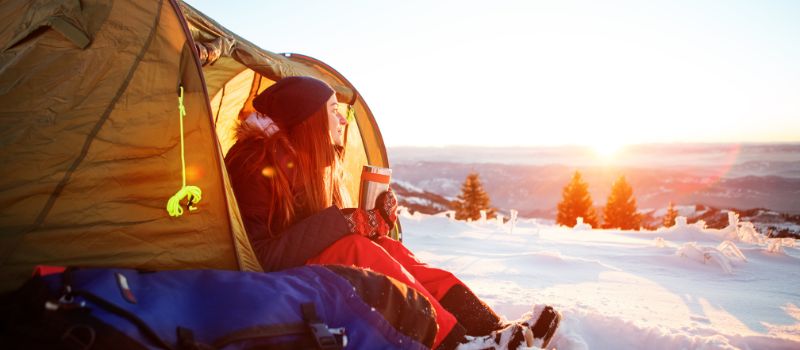
How To Make the Most of Winter Camping

Winter camping is a great way to escape and reconnect with nature. There's no better feeling than waking up in the morning to find yourself shivering under your heavy sleeping bag, surrounded by snow-covered mountains or pristine lakes.

It's also a fun challenge: if you're used to summertime camping trips, tackling winter camping will give you an entirely new set of experiences and skills and maybe even some bragging right.

But before you go out into the cold, there are a few things you should know. We've put together this list of tips to help make sure your next winter camping trip is as safe and enjoyable as possible!

Check Weather Conditions and Hazards

Before heading out, make sure you know what the weather is going to be like. There's nothing worse than being cold and wet when you were expecting sunshine and blue skies—so check the forecast beforehand and pack accordingly especially during winter when the weather can change quickly. You should also be aware of any hazards that may affect your trip: rivers, cliffs, lakes, and other bodies of water can freeze over in the winter months and become treacherous to cross; snowfall can create dangerous conditions on hiking trails.

Layer Up

It will be important to pack plenty of warm clothing, as even if you're only camping in winter weather for a day or two, it can still get pretty chilly at night. Wool is a good choice for your base layers since it tends to retain heat better than polyester and cotton do. Fleece is another popular material that's ideal for layering; the extra warmth comes from its ability to trap body heat close to the skin and wick away moisture from your body.

Bring Extra Blankets

There's no telling what the weather will be like when you're camping in winter, so it's a good idea to bring along some extra blankets. A heavy sleeping bag can only do so much if you get too cold at night! Make sure that any blankets or sleeping bags are rated for colder temperatures than what's expected where you're going; this will ensure that they'll keep you warm enough even without heaters or stoves.

Bring Waterproof Shoes and Socks

If you're camping in winter, it's a good idea to bring along some waterproof shoes and socks. This will keep your feet dry if it rains or snows while you're out camping, which can help prevent cold-related health issues like frostbite.

Winter camping is a great way to escape and reconnect with nature. There's no better feeling than waking up in the morning to find yourself shivering under your heavy sleeping bag, surrounded by snow-covered mountains or pristine lakes.

It's also a fun challenge: if you're used to summertime camping trips, tackling winter camping will give you an entirely new set of experiences and skills and maybe even some bragging right.

But before you go out into the cold, there are a few things you should know. We've put together this list of tips to help make sure your next winter camping trip is as safe and enjoyable as possible!

Check Weather Conditions and Hazards

Before heading out, make sure you know what the weather is going to be like. There's nothing worse than being cold and wet when you were expecting sunshine and blue skies—so check the forecast beforehand and pack accordingly especially during winter when the weather can change quickly. You should also be aware of any hazards that may affect your trip: rivers, cliffs, lakes, and other bodies of water can freeze over in the winter months and become treacherous to cross; snowfall can create dangerous conditions on hiking trails.

Layer Up

It will be important to pack plenty of warm clothing, as even if you're only camping in winter weather for a day or two, it can still get pretty chilly at night. Wool is a good choice for your base layers since it tends to retain heat better than polyester and cotton do. Fleece is another popular material that's ideal for layering; the extra warmth comes from its ability to trap body heat close to the skin and wick away moisture from your body.

Bring Extra Blankets

There's no telling what the weather will be like when you're camping in winter, so it's a good idea to bring along some extra blankets. A heavy sleeping bag can only do so much if you get too cold at night! Make sure that any blankets or sleeping bags are rated for colder temperatures than what's expected where you're going; this will ensure that they'll keep you warm enough even without heaters or stoves.

Bring Waterproof Shoes and Socks

If you're camping in winter, it's a good idea to bring along some waterproof shoes and socks. This will keep your feet dry if it rains or snows while you're out camping, which can help prevent cold-related health issues like frostbite.

Ready To Explore?

One Pass
That Does It All!