
How To Grow Herbs Indoors in Autumn

This fall, you might be thinking about moving your herb garden indoors. Growing herbs indoors is a great way to enjoy fresh, homegrown herbs come wintertime. But how do you go about growing herbs indoors in autumn?

In this blog post, we'll give you some tips on how to get started. We'll also share some of our favorite indoor herbs to grow to help you get started.

So, if you're ready to learn how to grow herbs indoors in autumn, read on!

1. Pick the Right Plants
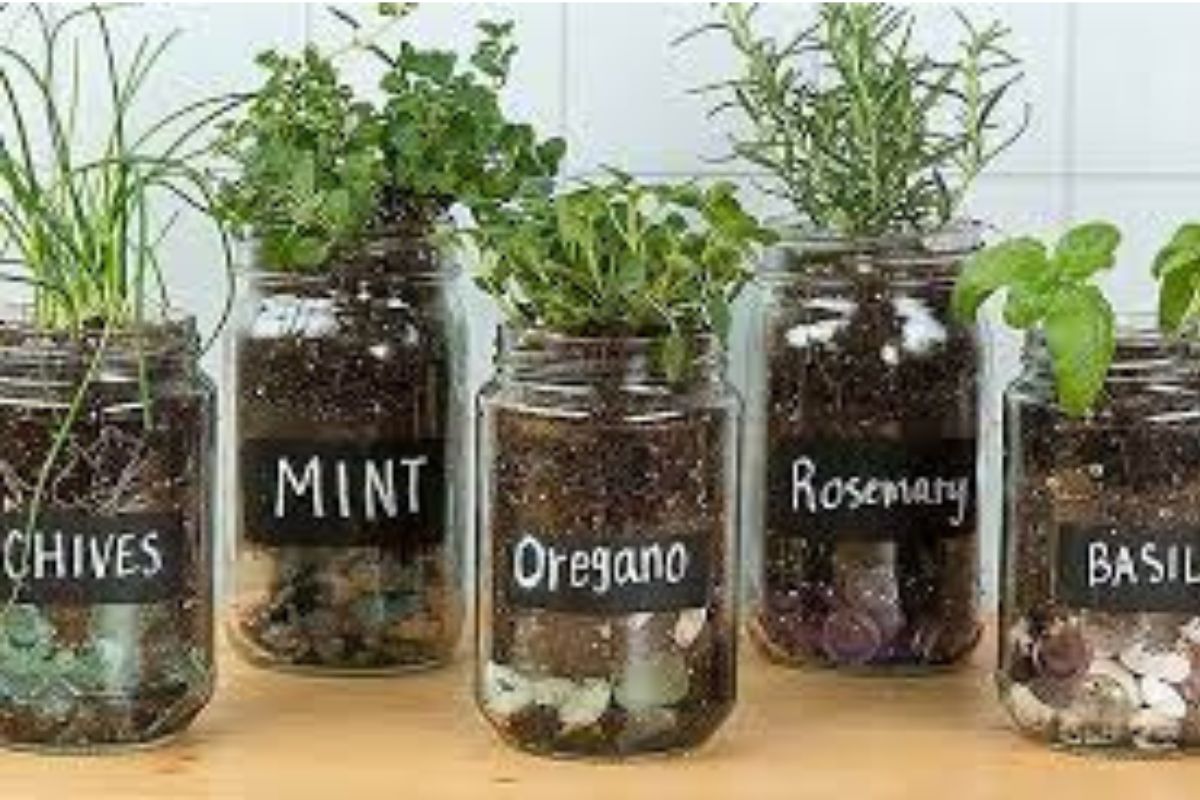
The first step in growing herbs indoors is to pick the right plants. Not all herbs are well-suited for indoor growing, so it's important to choose ones that will do well indoors. Some of our favorite indoor herbs include:

  • Basil
  • Chives
  • Cilantro
  • Oregano
  • Parsley
  • Rosemary
  • Thyme

Try to choose herbs that are on the smaller side and that don't require a lot of space to grow. This will make it easier to find a spot for them in your home.

2. Create a Planting Schedule

Once you've chosen your plants, it's time to create a planting schedule. This will help you keep track of when to plant each herb and how often to water them.

When creating your planting schedule, be sure to take into account the amount of light each plant needs. Some herbs, like cilantro, need a lot of light, while others, like basil, can get by with less.

3. Get the Soil Ready

The next step is to get the soil ready for your herbs. If you're using potting soil, there's no need to do anything special. Just make sure it's loose and well-draining.

If you're using garden soil, you'll need to amend it before using it indoors. Garden soil can be too dense and compacted for indoor plants. To amend it, mix in some sand or perlite to improve drainage.

4. Give Them Plenty of Light

Once the soil is ready, it's time to give your herbs plenty of light. Most herbs need at least six hours of direct sunlight each day. If you don't have a spot in your home that gets that much sunlight, you can supplement with grow lights.

5. Water Them Properly

Proper watering is essential for indoor herbs. Overwatering is one of the most common problems when growing herbs indoors. Be sure to water your herbs only when the soil is dry to the touch.

To water your herbs, use a water spray with the nozzle set to "shower." Water the soil, then the leaves, and allow the water to drain out of the bottom of the pot.

6. Fertilize as Needed

Fertilizing is not always necessary for indoor herbs, but if your plants are looking unhealthy, it may be worth trying. Use a balanced liquid fertilizer and apply it according to the package directions.

7. Harvest Your Herbs

Once your herbs are big enough to harvest, it's time to cut them back. This will encourage new growth and make your plants bushier. To harvest your herbs, cut off the stems just above where a leaf meets the stem.

This fall, you might be thinking about moving your herb garden indoors. Growing herbs indoors is a great way to enjoy fresh, homegrown herbs come wintertime. But how do you go about growing herbs indoors in autumn?

In this blog post, we'll give you some tips on how to get started. We'll also share some of our favorite indoor herbs to grow to help you get started.

So, if you're ready to learn how to grow herbs indoors in autumn, read on!

1. Pick the Right Plants

The first step in growing herbs indoors is to pick the right plants. Not all herbs are well-suited for indoor growing, so it's important to choose ones that will do well indoors. Some of our favorite indoor herbs include:

  • Basil
  • Chives
  • Cilantro
  • Oregano
  • Parsley
  • Rosemary
  • Thyme

Try to choose herbs that are on the smaller side and that don't require a lot of space to grow. This will make it easier to find a spot for them in your home.

2. Create a Planting Schedule

Once you've chosen your plants, it's time to create a planting schedule. This will help you keep track of when to plant each herb and how often to water them.

When creating your planting schedule, be sure to take into account the amount of light each plant needs. Some herbs, like cilantro, need a lot of light, while others, like basil, can get by with less.

3. Get the Soil Ready

The next step is to get the soil ready for your herbs. If you're using potting soil, there's no need to do anything special. Just make sure it's loose and well-draining.

If you're using garden soil, you'll need to amend it before using it indoors. Garden soil can be too dense and compacted for indoor plants. To amend it, mix in some sand or perlite to improve drainage.

4. Give Them Plenty of Light

Once the soil is ready, it's time to give your herbs plenty of light. Most herbs need at least six hours of direct sunlight each day. If you don't have a spot in your home that gets that much sunlight, you can supplement with grow lights.

5. Water Them Properly

Proper watering is essential for indoor herbs. Overwatering is one of the most common problems when growing herbs indoors. Be sure to water your herbs only when the soil is dry to the touch.

To water your herbs, use a water spray with the nozzle set to "shower." Water the soil, then the leaves, and allow the water to drain out of the bottom of the pot.

6. Fertilize as Needed

Fertilizing is not always necessary for indoor herbs, but if your plants are looking unhealthy, it may be worth trying. Use a balanced liquid fertilizer and apply it according to the package directions.

7. Harvest Your Herbs

Once your herbs are big enough to harvest, it's time to cut them back. This will encourage new growth and make your plants bushier. To harvest your herbs, cut off the stems just above where a leaf meets the stem.

Ready To Explore?

One Pass
That Does It All!