


.jpeg)
It's cold outside, which can be a challenge for anyone who tends to their garden in the winter. Gardening is a bit of an art, and there’s no right way to do it. But there are some things that might not be the best idea for your garden in the wintertime.
If you want your garden to be in top shape when spring rolls around, here are some things that you shouldn’t do during the cold season:
Don't Let Your Soil Dry Out
Here's a simple rule to follow: Treat your soil like you would treat a baby. It needs plenty of tender love and care, but too much can be bad for it, too.
Start by keeping the soil moist. This is especially important if you live in an area where freezing temperatures are common during winter—you don't want your garden to have any dry spells that might kill off new growth when spring rolls around again! To keep the moisture levels just right, add more water as needed throughout the cold months to prevent evaporation from occurring (and dry dirt from forming). If possible, use mulch around plants or beds instead of watering them directly with sprinklers or hoses—this will help retain some extra moisture as well!
Don't Neglect Pruning
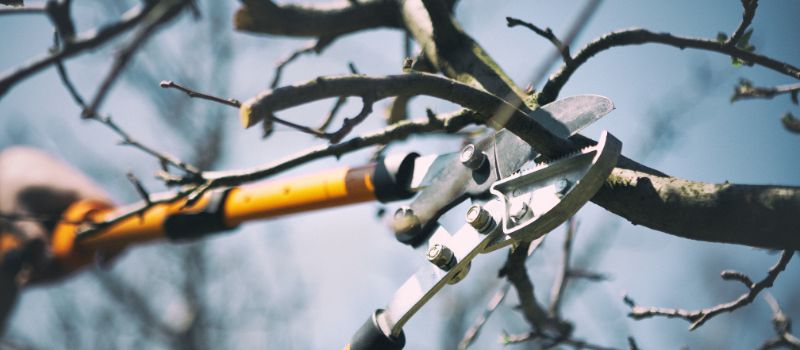
Pruning can be done any time of year, but winter is the best time to do so. This is because the plant is dormant and can better handle any stress that might come from trimming. Pruning is important because it will help keep your plant healthy and looking its best. Pruning helps remove dead or diseased parts of the plant, as well as making room for new growth. Use sharp pruning shears to cut your plants back on a regular basis, making sure not to leave any stubs of foliage behind.
Don't Neglect Your Tools
When you're working in the garden, you'll use tools for everything from digging to planting. That's why it's so important to keep them in good condition. If they're not kept clean and sharp, they can be more dangerous than helpful.
When cleaning your tools, make sure to do it thoroughly—but don't over-wash them! You should also check that they're properly stored away when not in use; tools that are left out will deteriorate faster than those put away properly. The best way to store your gardening tools is on pegboard hooks or other ways that keep them organized but accessible so you'll never be without one when you need it most!
Don't Overwater
Overwatering can cause major problems for your plants, including root rot and mold. The best way to tell if your plants need watering is by checking the soil. If it's dry at least 1 inch below the surface, then it's time to water. A soaker hose or drip irrigation system will water your plants more efficiently. These methods will distribute water evenly throughout the soil, preventing you from overwatering your plants.