


.jpeg)
Artificial Intelligence (AI) has become a transformative force across many industries, and education is no exception. With its ability to automate, personalize, and enhance learning experiences, AI is reshaping how students learn, how teachers instruct, and how institutions operate. As educational needs continue to evolve in the digital age, AI is increasingly being adopted to address learning gaps, support administrative tasks, and improve overall educational outcomes.
In this article, we will explore the key advantages of AI in education, examining how it contributes to personalized learning, intelligent tutoring, accessibility, data-driven decision-making, teacher support, and student engagement.
1. Personalized Learning Experiences
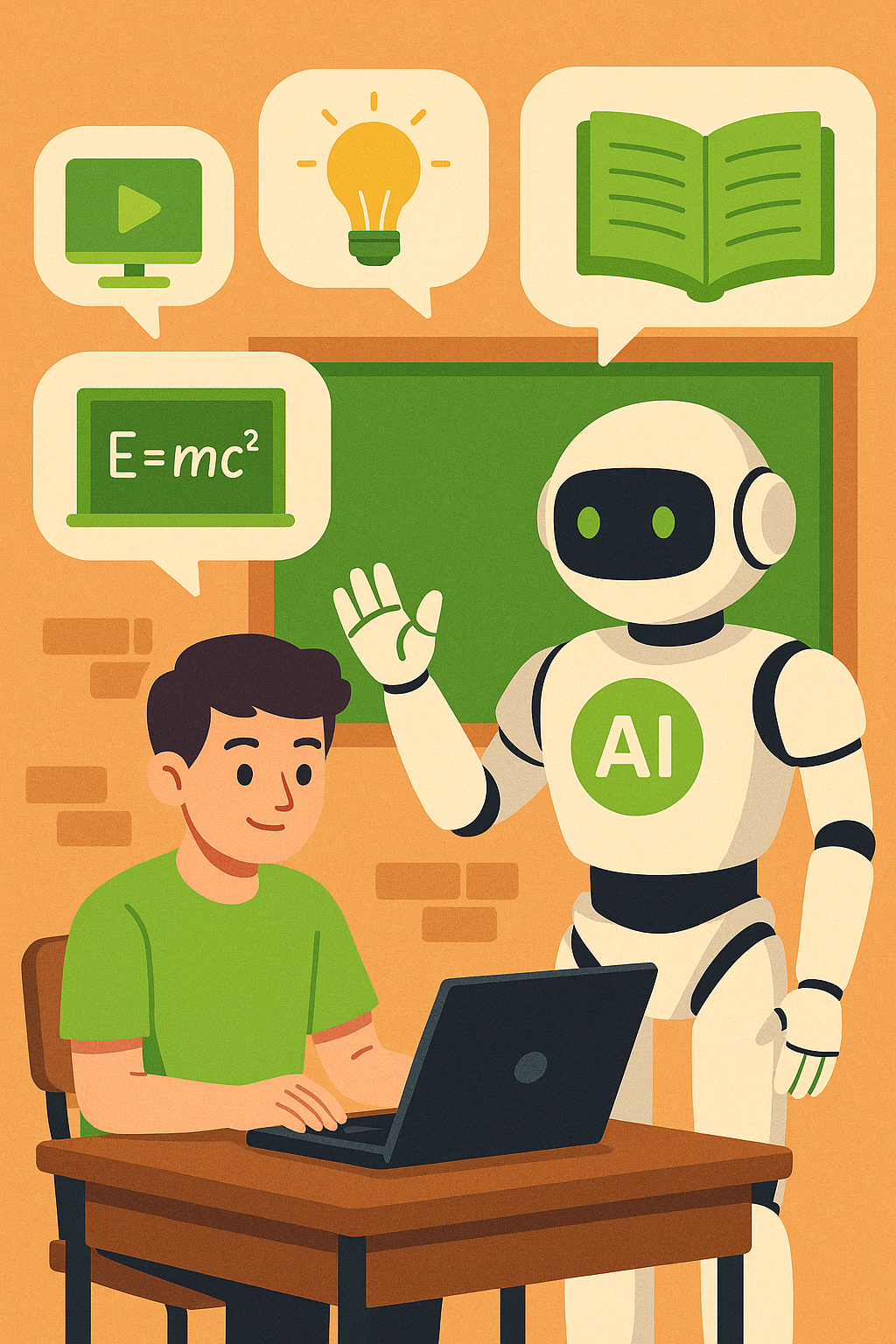
One of the most significant advantages of AI in education is its ability to offer personalized learning experiences. Traditional classrooms often adopt a one-size-fits-all teaching method, which may not cater to the individual needs of each student. AI changes this by adapting content based on the student's performance, pace, preferences, and strengths.
For instance, platforms like Khan Academy and Duolingo use AI algorithms to assess a learner’s progress and adjust future lessons accordingly. This enables students to learn at their own pace, receive targeted feedback, and master concepts before moving on to more complex topics.
With AI-driven personalization, students who struggle can get more practice and guidance, while advanced learners can move forward without being held back. This individualized approach promotes deeper learning and helps reduce achievement gaps.
2. Intelligent Tutoring Systems (ITS)
AI-powered Intelligent Tutoring Systems provide students with real-time support, similar to one-on-one tutoring. These systems analyze student responses, track patterns, and offer hints or feedback to guide learners through problem-solving processes.
One well-known example is Carnegie Learning’s MATHia, an AI-based tutoring software that provides instant feedback and adapts to students’ needs. These systems can simulate a tutor’s role by identifying misunderstandings and providing scaffolding to aid comprehension.
ITS can be especially valuable in subjects like mathematics, science, and language learning, where practice and correction are crucial. By offering immediate help, these tools ensure students stay on track without always needing human intervention.
3. Increased Accessibility and Inclusion
AI also plays a vital role in making education more inclusive and accessible. For students with disabilities or learning difficulties, AI-powered tools can create tailored experiences that address their specific challenges.
For example, AI-driven speech-to-text applications allow students with hearing impairments to follow spoken lectures through real-time captions. Similarly, text-to-speech tools help those with visual impairments or dyslexia understand written content more easily. Language translation features powered by AI also help non-native speakers grasp lessons in their preferred language.
These technologies ensure that all students, regardless of their physical or cognitive limitations, have access to quality education and the resources they need to succeed.
4. Automation of Administrative Tasks
Teachers often spend a considerable amount of time on administrative tasks such as grading, attendance, and lesson planning. With the increasing reliance on AI for administrative processes, it's crucial that educational institutions also establish robust frameworks for managing the associated risks. Guidance on effective AI governance strategies for organizations can help ensure transparency, accountability, and compliance when deploying such technologies in academic settings. AI can automate many of these processes, freeing up educators to focus more on teaching and student engagement.
Grading software, for instance, can automatically assess multiple-choice and short-answer questions. Advanced AI systems can even evaluate essays using natural language processing, identifying key arguments, coherence, and grammar.
AI can also help schedule classes, generate reports, and organize resources, reducing the burden on administrative staff. This improves institutional efficiency and allows more time and energy to be invested in student-centered activities.