
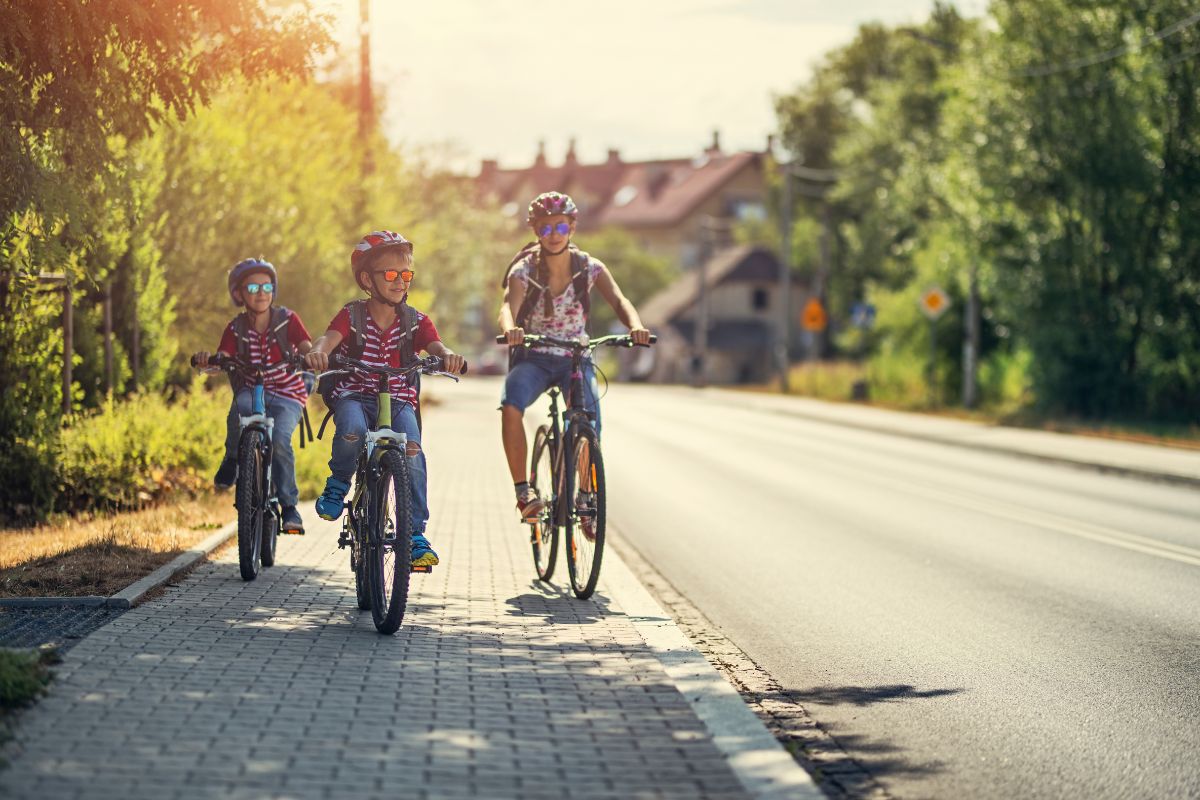
9 Tips for a Safe and Enjoyable Walk or Bike Ride to School

As parents, ensuring the safety and well-being of our children is always a top priority. And what better way to promote both physical activity and independence than encouraging them to walk or bike to school? However, navigating the streets can be worrisome. 

In this blog post, we've compiled a list of 9 essential tips that will not only keep your child safe on their journey but also make it an enjoyable and empowering experience. From choosing the right routes to practicing good road etiquette, we've got you covered.

1. Choosing the Right Route
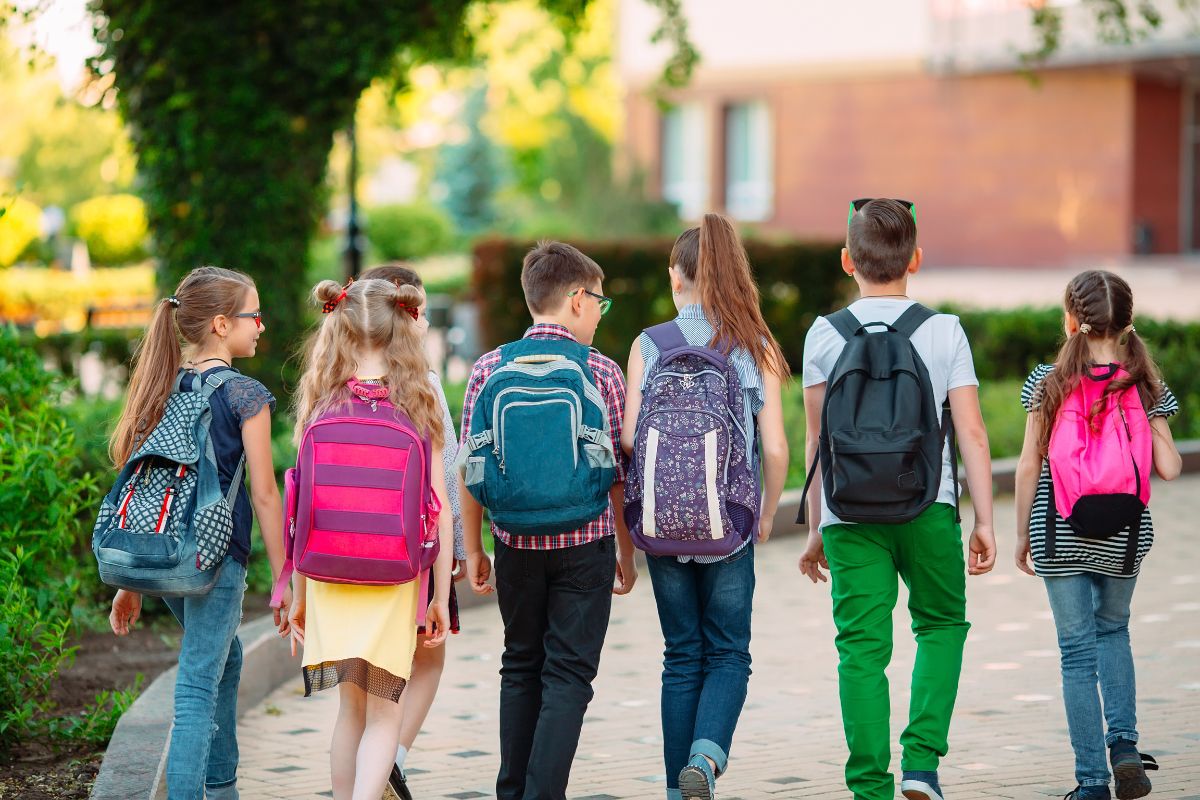
First on our list is very important but arguably the most difficult — choosing the right route. Here in the US, we are fortunate to have various resources available to help us identify safe routes to school. Take the time to research and analyze different options, considering factors like traffic patterns and infrastructure. Look for designated walking or biking paths, as these are often designed with safety in mind. By selecting a well-planned route, you can significantly reduce potential hazards and make the journey safer for your child.

2. Safety Measures

Safety measures are of utmost importance when it comes to ensuring a safe and enjoyable walk or bike ride to school. Equipping your child with the proper protective gear is essential, starting with a well-fitting helmet that meets safety standards. Additionally, encourage them to wear reflective clothing, especially during dark or low-light conditions, to enhance visibility and reduce the risk of accidents. It is crucial to teach your child the importance of using appropriate hand signals while biking, enabling them to communicate their intentions clearly to others on the road. Practicing basic road safety rules, such as looking both ways before crossing any street, is also fundamental to their safety. Instilling these habits early on will empower your child with the skills and knowledge necessary to navigate the roads and ensure their well-being.

3. Practicing Good Road Etiquette

Instill in your child the importance of staying on sidewalks or designated bike lanes whenever possible. This not only protects them from the flow of traffic but also ensures the safety of pedestrians sharing the sidewalks. Encourage them to show respect for other road users by practicing good road etiquette. Teach them to communicate with motorists using hand signals or eye contact, promoting better understanding and cooperation between all parties.

4. Engaging in Safety Education

Education is key when it comes to promoting safety. Teach your child to identify potential hazards and respond appropriately. Provide guidance on handling traffic situations, such as crossing at intersections and using pedestrian crossings. Practicing emergency preparedness, like knowing emergency contact information, is also essential. By educating your child about safety, you are empowering them to make informed decisions and react appropriately in different situations.

5. Visibility and Light

During low-light conditions, visibility is crucial. Ensure your child is visible to others by adding reflectors or lights to their bikes and backpacks. Encourage them to wear bright or fluorescent clothing, making it easier for motorists and pedestrians alike to spot them. These simple measures can greatly enhance their safety, especially in situations with reduced visibility.

As parents, ensuring the safety and well-being of our children is always a top priority. And what better way to promote both physical activity and independence than encouraging them to walk or bike to school? However, navigating the streets can be worrisome. 

In this blog post, we've compiled a list of 9 essential tips that will not only keep your child safe on their journey but also make it an enjoyable and empowering experience. From choosing the right routes to practicing good road etiquette, we've got you covered.

1. Choosing the Right Route

First on our list is very important but arguably the most difficult — choosing the right route. Here in the US, we are fortunate to have various resources available to help us identify safe routes to school. Take the time to research and analyze different options, considering factors like traffic patterns and infrastructure. Look for designated walking or biking paths, as these are often designed with safety in mind. By selecting a well-planned route, you can significantly reduce potential hazards and make the journey safer for your child.

2. Safety Measures

Safety measures are of utmost importance when it comes to ensuring a safe and enjoyable walk or bike ride to school. Equipping your child with the proper protective gear is essential, starting with a well-fitting helmet that meets safety standards. Additionally, encourage them to wear reflective clothing, especially during dark or low-light conditions, to enhance visibility and reduce the risk of accidents. It is crucial to teach your child the importance of using appropriate hand signals while biking, enabling them to communicate their intentions clearly to others on the road. Practicing basic road safety rules, such as looking both ways before crossing any street, is also fundamental to their safety. Instilling these habits early on will empower your child with the skills and knowledge necessary to navigate the roads and ensure their well-being.

3. Practicing Good Road Etiquette

Instill in your child the importance of staying on sidewalks or designated bike lanes whenever possible. This not only protects them from the flow of traffic but also ensures the safety of pedestrians sharing the sidewalks. Encourage them to show respect for other road users by practicing good road etiquette. Teach them to communicate with motorists using hand signals or eye contact, promoting better understanding and cooperation between all parties.

4. Engaging in Safety Education

Education is key when it comes to promoting safety. Teach your child to identify potential hazards and respond appropriately. Provide guidance on handling traffic situations, such as crossing at intersections and using pedestrian crossings. Practicing emergency preparedness, like knowing emergency contact information, is also essential. By educating your child about safety, you are empowering them to make informed decisions and react appropriately in different situations.

5. Visibility and Light

During low-light conditions, visibility is crucial. Ensure your child is visible to others by adding reflectors or lights to their bikes and backpacks. Encourage them to wear bright or fluorescent clothing, making it easier for motorists and pedestrians alike to spot them. These simple measures can greatly enhance their safety, especially in situations with reduced visibility.

Ready To Explore?

One Pass
That Does It All!