
5 Benefits of Chess for Kids

Chess isn’t just a game; it’s a magical world of strategy, creativity, and pure fun! When kids engage in this classic board game, they’re not only learning how to maneuver pawns and knights but also developing skills that can help them in various parts of life. Picture this: a simple yet powerful tool that enhances critical thinking, nurtures patience, and boosts confidence—all while having a great time.

In our fast-paced, tech-driven world, chess stands out as a refreshing escape for kids. It invites them to put down their screens and immerse themselves in deep thought, making it a perfect activity for quality family bonding time. With every move on the board, children aren’t just playing; they're growing as individuals.

In this blog post, we’re diving into the five amazing benefits chess brings to kids. From improving problem-solving abilities to promoting social interaction, the advantages are endless! So, grab your chessboard, and let’s explore how this timeless game can transform playtime into a treasure trove of knowledge and life skills for your little ones. Get ready to inspire the next generation of strategic thinkers!

1. Enhances Critical Thinking Skills
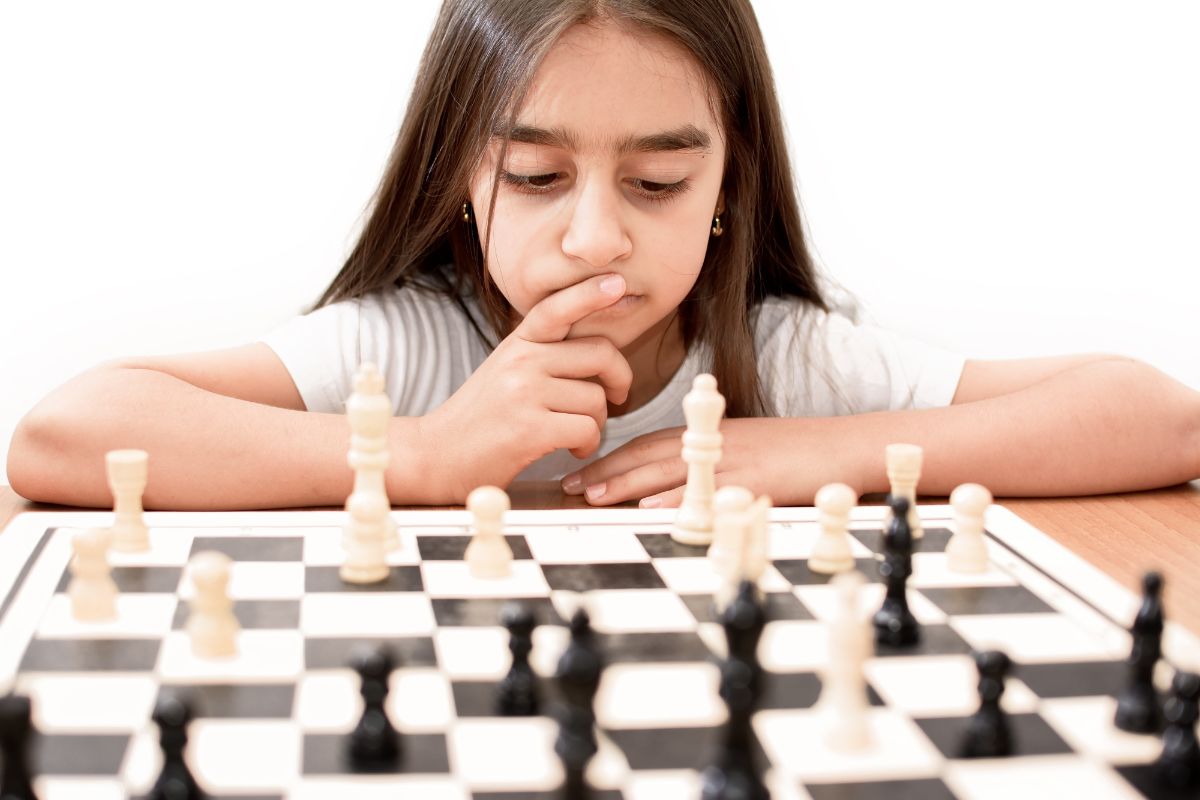
When kids sit down to play chess, they step into a world that challenges their minds and sharpens their wits. Each move requires careful consideration and foresight. They learn to analyze positions, anticipate their opponent's next steps, and evaluate various outcomes. This critical thinking doesn’t just apply to the chessboard; it spills over into their everyday lives. 

Imagine your child faced with a challenging math problem or deciding how to manage their time with homework and playdates. The skills gained from chess—like assessing situations and making informed decisions—will equip them to approach challenges logically and thoughtfully. As they practice these new skills, they develop a habit of thinking ahead and weighing their options.

Moreover, chess encourages kids to reflect on their choices. Did they make a move that cost them a piece? What could they have done differently? This level of self-reflection fosters a growth mindset, where mistakes are viewed as learning opportunities rather than failures. Chess truly empowers kids to build resilience and confidence in their decision-making.

2. Promotes Patience and Discipline

In the instant-gratification world we live in today, patience can feel like a lost art. However, through chess, kids learn to appreciate the power of waiting and strategy. Each game involves anticipating moves and thinking several steps ahead. Rushing decisions often leads to mistakes, and little ones soon discover the importance of taking their time to think things through.

Chess also teaches discipline. Players must focus during the game, keeping distractions at bay. This concentrated effort builds their ability to concentrate on tasks, an invaluable skill for school and life. Whether it’s working on a long-term project or studying for a test, the discipline they cultivate while playing chess carries over into their learning habits.

In the world of chess, patience and discipline aren’t just virtues; they’re cornerstones for success. Players who learn to harness these qualities become better strategists, but they also emerge as well-rounded individuals ready to tackle life with an unwavering determination.

Chess isn’t just a game; it’s a magical world of strategy, creativity, and pure fun! When kids engage in this classic board game, they’re not only learning how to maneuver pawns and knights but also developing skills that can help them in various parts of life. Picture this: a simple yet powerful tool that enhances critical thinking, nurtures patience, and boosts confidence—all while having a great time.

In our fast-paced, tech-driven world, chess stands out as a refreshing escape for kids. It invites them to put down their screens and immerse themselves in deep thought, making it a perfect activity for quality family bonding time. With every move on the board, children aren’t just playing; they're growing as individuals.

In this blog post, we’re diving into the five amazing benefits chess brings to kids. From improving problem-solving abilities to promoting social interaction, the advantages are endless! So, grab your chessboard, and let’s explore how this timeless game can transform playtime into a treasure trove of knowledge and life skills for your little ones. Get ready to inspire the next generation of strategic thinkers!

1. Enhances Critical Thinking Skills

When kids sit down to play chess, they step into a world that challenges their minds and sharpens their wits. Each move requires careful consideration and foresight. They learn to analyze positions, anticipate their opponent's next steps, and evaluate various outcomes. This critical thinking doesn’t just apply to the chessboard; it spills over into their everyday lives. 

Imagine your child faced with a challenging math problem or deciding how to manage their time with homework and playdates. The skills gained from chess—like assessing situations and making informed decisions—will equip them to approach challenges logically and thoughtfully. As they practice these new skills, they develop a habit of thinking ahead and weighing their options.

Moreover, chess encourages kids to reflect on their choices. Did they make a move that cost them a piece? What could they have done differently? This level of self-reflection fosters a growth mindset, where mistakes are viewed as learning opportunities rather than failures. Chess truly empowers kids to build resilience and confidence in their decision-making.

2. Promotes Patience and Discipline

In the instant-gratification world we live in today, patience can feel like a lost art. However, through chess, kids learn to appreciate the power of waiting and strategy. Each game involves anticipating moves and thinking several steps ahead. Rushing decisions often leads to mistakes, and little ones soon discover the importance of taking their time to think things through.

Chess also teaches discipline. Players must focus during the game, keeping distractions at bay. This concentrated effort builds their ability to concentrate on tasks, an invaluable skill for school and life. Whether it’s working on a long-term project or studying for a test, the discipline they cultivate while playing chess carries over into their learning habits.

In the world of chess, patience and discipline aren’t just virtues; they’re cornerstones for success. Players who learn to harness these qualities become better strategists, but they also emerge as well-rounded individuals ready to tackle life with an unwavering determination.

Ready To Explore?

One Pass
That Does It All!